
Animus - The Last Human: Chapter One

How it all started
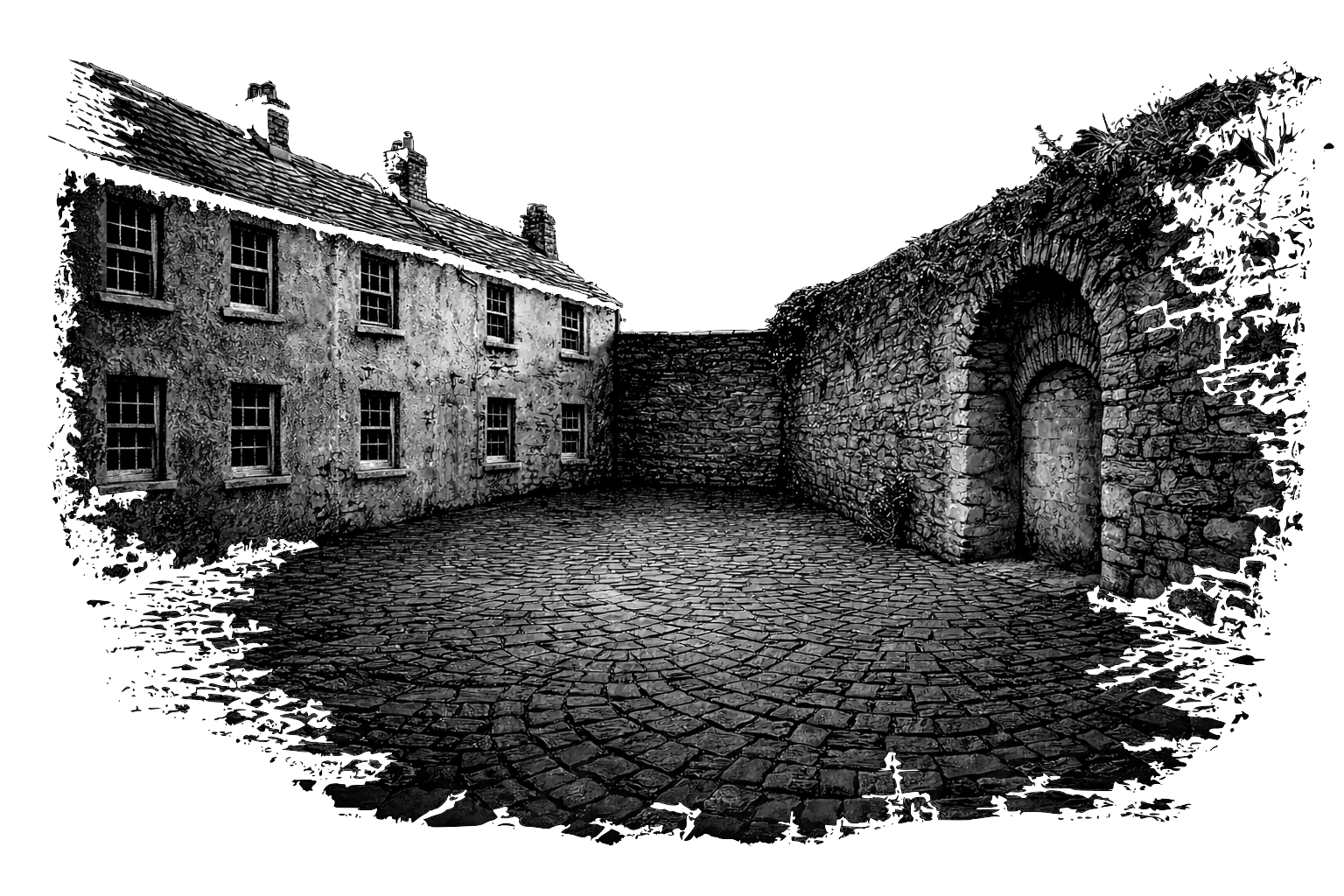
In 2022, I was commissioned to design and run an audio-visual installation in my hometown. The location was Millmount in Drogheda, Ireland, in an open-air walled courtyard within the fortified complex.
The event was scheduled for mid-October.
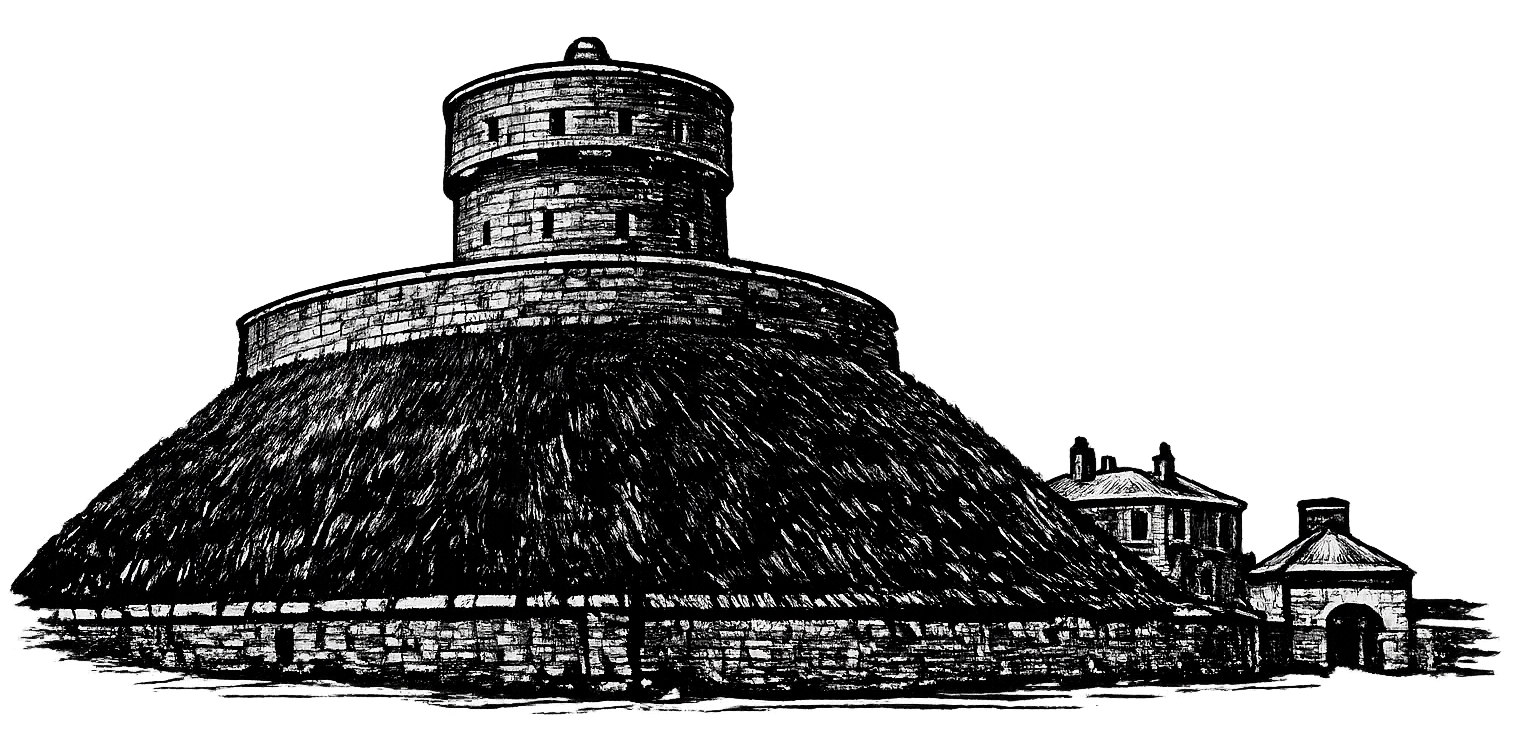
Millmount isn’t just any site to me. I grew up a ten-minute walk from it. I spent a good chunk of my youth misbehaving in and around the place we called “The Cup and Saucer.” It’s part of my personal landscape.
The small complex is surrounded by medieval stonework. These are remnants of the old walls that once enclosed Drogheda. The site itself has been occupied since at least the early 1100s, when the Normans built a motte-and-bailey fort on top of an even older Neolithic passage tomb, similar to Newgrange (3100 BC), which sits about 5–7 miles upriver.
In Irish folklore, Millmount is also linked to the burial of Amhairgin mac Míled. He is a mythic figure associated with the origins of music and poetry. His shamanic poem, The Song of Amhairgin, spoken on his arrival in Ireland by the River Boyne, is often regarded as the earliest Irish poem.
That was the backdrop.
The event itself was themed around fire. Because I’m known for making unsettling, emotionally harrowing soundtrack music, I was approached to create a secret hidden stage for the evening. The programme director wanted something different. Something that leaned into discomfort. I was also asked to handle the visuals, since I’d worked across a few different mediums on previous projects.
So the question was put to me.
Could I design an original experience that combined music, visuals, atmosphere, and audience participation, all inside a secluded ancient courtyard, in the shadow of this culturally significant monument?
Yes please. I got to work.
The idea takes hold
My mind went straight to Amhairgin and the poem. Once that connection clicked, the music started forming immediately. I don’t really get to choose what I make once an idea grabs me. The job becomes capturing what I’m hearing as quickly as possible before it mutates or disappears.
What I heard was nothing like anything I’d written before.
It was hollowing. Devastating. Ancient. Lost.
Detuned synth structures sat on top of cellos and scraped strings that felt eternal. It was confusing. It was disturbing. It felt right.
I kept thinking of something buried in the mound. Something old that needed digging up and letting loose.
Animus. The Last Human.
The narrative
In these forgotten times, there was a child born by the ancient ones.
Animus.
Ancestor of Amhairgin.
Creator of song.From birth, Animus was tasked to observe our world and carry our stories and music through the ages.
Civilisation rose.
Science advanced.
Technology accelerated.Singularity arrived.
Cognitive, sentient beings were engineered in our image, built to extend the evolution of the species.
Part human.
Part machine.Synthetic flesh.
Metal bone.
Augmented hearts.
Artificial intelligence.No soul detected.
Spirits were coded into software. Our devices weakened us as AI became ubiquitous.
Creation became computation.
Efficient.
Systematic.Each day, we submitted our souls to be harvested and uploaded. Stored as fuel. Discarded as waste.
Animus witnessed as machines absorbed our history, memories, stories, and music.
Eventually, art and melody were no longer required.
Animus was reduced to caretaker of dreams.
Without a voice.
The terminal composer of song.Here rests Animus.
Ancestor of Amhairgin.Executing the conclusion of our legacy.
Final words.
Permanent system shutdown.Relax.
Breathe.Singularity is approaching.
Look into your soul.
Not your devices.Relax.
Breathe.This will be the end.
We are Animus.
This is our final song.

Building the installation
Very little changed from the first draft of the music. The three main movements, which formed the core anchor of the entire project, came out almost exactly as I’d heard them in my head.
That almost never happens for me. This time, it felt like the music knew what it was before I did, so I stayed out of its way.
I brought in modular synth artist Joe Heeney, violinist Tadhg Murphy, and Ukrainian cellist Volodymyr Kotliarov.
Visually, Animus was designed as a huge mass of broken technology. Its head was a glitching computer monitor that flashed the words:
NO SOUL DETECTED
The visuals jump between mythic Celtic imagery and collapsed future landscapes, interrupted by warning text.
DO NOT TRUST THE ARTIFICIAL INTELLIGENCE
Rear projections spill from the old barracks windows and across the medieval courtyard walls, gradually lighting the space, the imagery moving from ancient myth toward a future consumed by fire, all synced to the score and narration.
Before entering, half the audience receive red-tinted glasses. The other half receive blue.
Using visual filtering on the screens, 50% of the audience are given instructions on how to move through the space. These instructions directly contradict what the other 50% are seeing.
By the end, the crowd is split. Red on one side. Blue on the other. Both groups surrounded by projected fire and the smell of burning wood incense. Both convinced they have done everything correctly.
The music swells to its final crescendo.
Blackout.
The fire vanishes, but the smell lingers.
The only thing left visible is Animus’s face.
NO SOUL DETECTED
The screen cuts to black.
Nothing is explained.
The audience is quietly ushered out.
That was the piece.
That was the plan.
And then everything changed
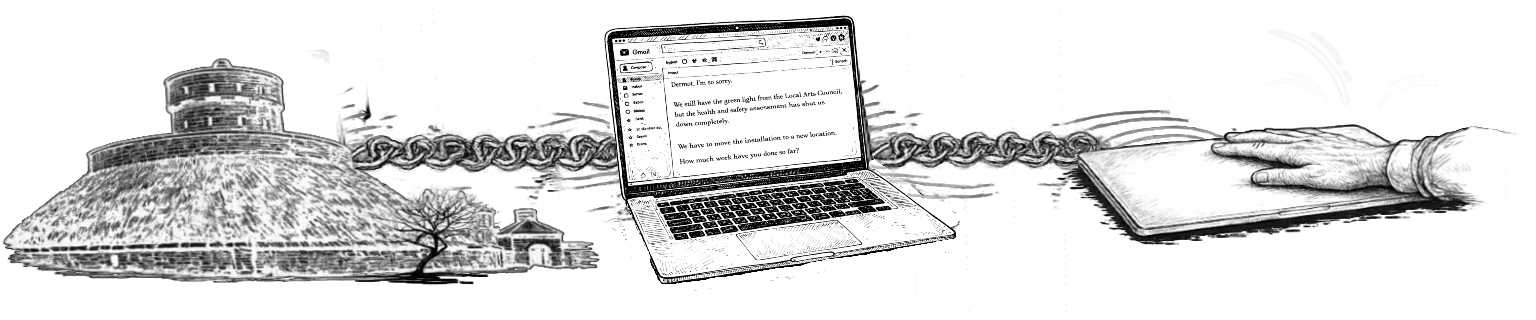
“Dermot, I’m so sorry.
We still have the green light from the Local Arts Council, but the health and safety assessment has shut us down completely.
We have to move the installation to a new location.
How much work have you done so far?”
There’s a part 2 right?!